By: Robert
Kwaku Annor
More than 5,600 students at
the University of Namibe in Angola are set to benefit from free internet access
through the ANGOSAT-2 satellite under the National Program for Training and
Certification of Space Technology Managers and Users.
The initiative is being
implemented by Angola’s Ministry of Telecommunications, Information
Technologies and Social Communication (MINTTICS) through the National Space
Program Management Office (GGPEN) as part of efforts to expand access to
digital connectivity and build local capacity in space technologies.
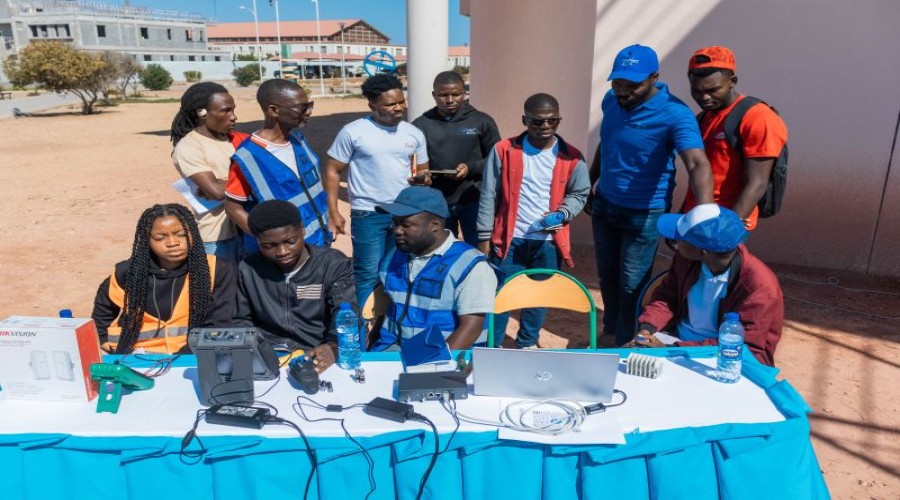
The satellite internet
infrastructure was installed during practical training sessions conducted in
the southern region of the country. The programme brought together specialists,
lecturers and students who participated in the assembly and configuration of
satellite communication equipment while gaining hands-on experience in
operating space-based connectivity systems.
Participants received
practical training in the installation of Very Small Aperture Terminal (VSAT)
systems, antenna alignment, modem configuration, integration of Block Up
Converter (BUC) and Low Noise Block (LNB) equipment, system testing,
troubleshooting and the application of space technologies. The training is
designed to equip participants with the skills required to independently
operate and maintain satellite communication infrastructure.
The programme is continuing
with practical sessions scheduled for June 8 to 10 in Luanda, where more than
100 students enrolled in the online and face-to-face components of the training
will engage with leading companies in the aerospace and telecommunications
sectors. Participating organisations include UNITEL, Africell, Anyconnect, ST
Engineering and Airbus Defence and Space.
In addition to technical
training, participants are receiving instruction on business models, service
pricing, billing systems, customer management, VSAT network operations,
commercial capacity development and the broader space sector value chain. The
curriculum also covers Earth observation applications, operation of iDirect
terminals and other specialised areas relevant to the growing space economy.
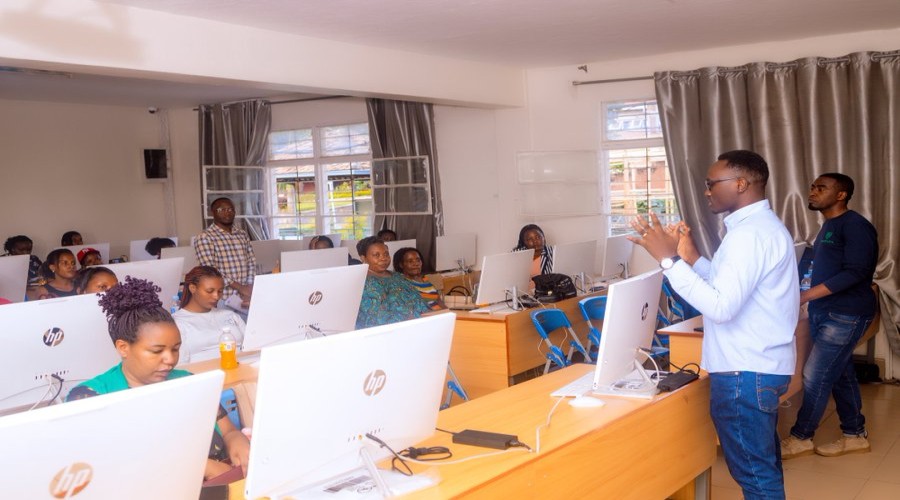
Delivered through a hybrid
format combining theoretical and practical learning, the programme is supported
by an intelligent distance-learning platform that provides access to multimedia
educational content and interactive learning tools.
The initiative forms part of
the broader Space Technology in Communities project, which seeks to extend the
benefits of space technology to communities, municipalities and educational
institutions across Angola while supporting the development of a skilled
workforce for the country’s emerging space sector.