By: Kanto Kai Okanta
The
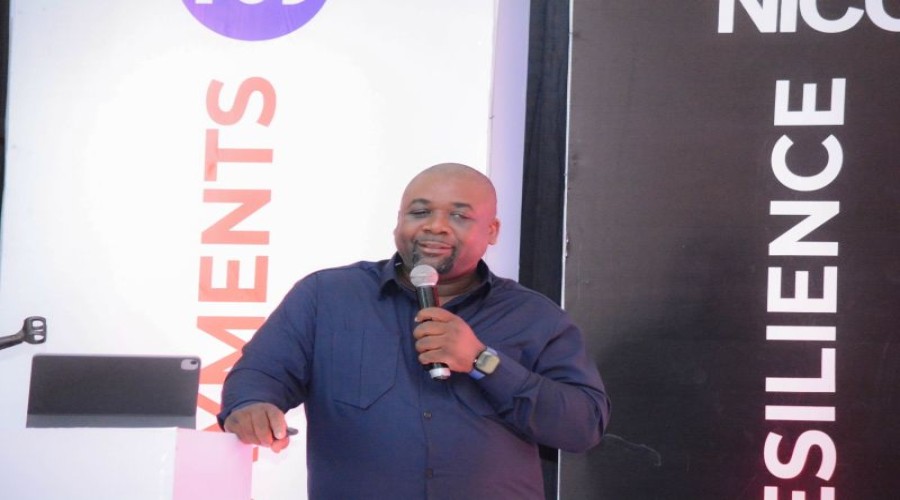
President of the ICT Association of Zambia (ICTAZ), Dr. Clement Sinyangwe, has
called on African countries to invest in resilient digital infrastructure,
advanced technologies and digital skills to unlock the full potential of a
24-hour economy.
Speaking
at the 2026 Malawi ICT Conference, Dr. Sinyangwe delivered a presentation
titled “Unlocking Malawi’s Digital Economy: ICT Experts, Trusted Payments
and Fraud Resilience,” in which he outlined the opportunities and
challenges associated with the transition to round-the-clock digital economies
across Africa.
He
noted that a 24-hour economy extends beyond longer business operating hours and
requires robust technology systems, reliable infrastructure, skilled human
capital and secure digital platforms to support continuous economic activity.
Dr.
Sinyangwe highlighted concerns related to cybersecurity, business safety, fraud
prevention and the management of increasingly automated processes and 24/7
digital transactions. He emphasized that addressing these challenges would be
critical to building trust and ensuring the sustainability of digital economic
growth.
According
to him, the benefits of a 24-hour economy include increased productivity and
efficiency, greater financial inclusion, expanded digital trade, enhanced
employment opportunities for young people, improved public service delivery,
and increased investment and competitiveness.
Drawing
on international examples, Dr. Sinyangwe pointed to countries such as
Singapore, China, Estonia and the United Arab Emirates as models of successful
digital transformation. He noted that Singapore’s Smart Nation strategy has
enabled citizens to access a wide range of government services online around
the clock, while Estonia has become a global leader in digital governance
through innovations such as digital identity systems, e-voting, e-health
services and automated public administration.
To
accelerate digital transformation and support the growth of a 24-hour economy,
Dr. Sinyangwe recommended the strengthening of digital policies, expanded
investment in ICT infrastructure, wider adoption of artificial intelligence and
cloud technologies, alignment of education systems with emerging technologies,
enhanced cybersecurity measures and greater digital financial inclusion.
He
stressed that countries that invest in intelligent, secure and continuously
connected digital ecosystems will be better positioned to compete, innovate and
achieve sustainable economic growth in the evolving global digital economy.