By: Kanto Kai Okanta
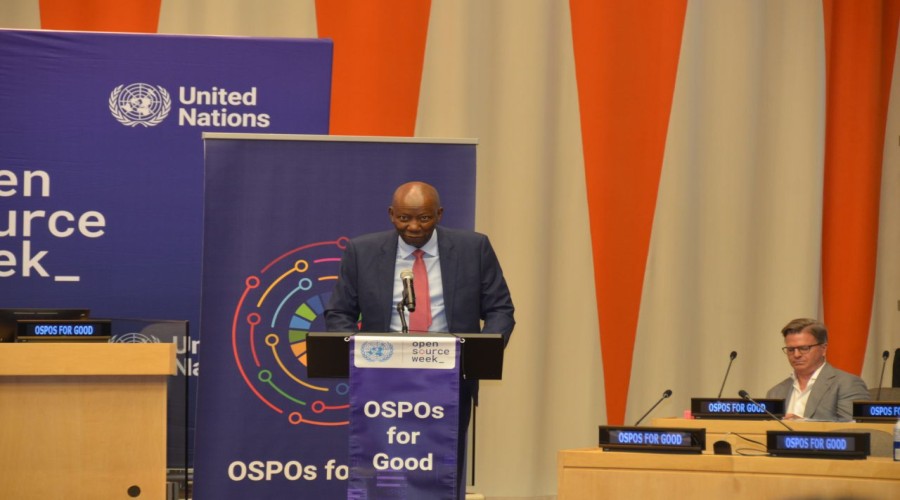
The United Nations has
underscored the growing importance of open-source technologies in advancing
innovation, digital sovereignty, and international collaboration during the
Open Source Program Offices (OSPOs) for Good Day held as part of the United Nations
Open Source Week.
Opening the event, Bernardo
Mariano Junior, Assistant Secretary-General and Chief Information Technology
Officer of the United Nations, described open source as more than a technical
choice, emphasizing its role as a strategic enabler of innovation, collaboration,
and digital sovereignty across institutions and governments.
The event brought together
representatives from governments, United Nations agencies, academia, industry,
and the global open-source community to examine how Open Source Program Offices
are contributing to digital transformation and strengthening cross-sector
cooperation.
Throughout the discussions,
participants explored the role of open source in building resilient,
transparent, and interoperable digital infrastructure while supporting
public-sector innovation and national digital sovereignty objectives. Speakers
shared experiences from different regions, highlighting both established and
emerging open-source ecosystems.
Case studies presented
during the event included Japan’s decades-long experience in open-source
adoption and the growing establishment of government-led Open Source Program
Offices in low- and middle-income countries. Participants discussed how these
initiatives are helping governments translate digital policies into practical
implementation strategies.
The programme also examined
the importance of governance frameworks, sustainable financing mechanisms, data
stewardship, and digital public infrastructure in supporting long-term
open-source ecosystems. Discussions highlighted emerging tools and initiatives
aimed at strengthening institutional adoption of open-source technologies,
including the Open Source Enablement Compass (OSEC) and new approaches to
financing digital public goods.
Participants further
explored the expanding role of universities, local governments, and
private-sector organizations in building open-source capacity and fostering
innovation through collaborative development models.
The event concluded with
discussions on the growing use of open-source solutions across the United
Nations system and how partnerships among governments, international
organizations, and technology communities are helping accelerate digital
transformation efforts in support of the Sustainable Development Goals.
Officials noted that the
conversations reinforced a shared commitment to leveraging open-source
technologies as a foundation for more inclusive, resilient, and collaborative
digital futures around the world.