By: Nana Appiah Acquaye
Satlyt has signed a
Memorandum of Understanding (MoU) with Angola’s National Space Programme
Management Office (GGPEN) to strengthen collaboration in space infrastructure,
artificial intelligence, and digital transformation.
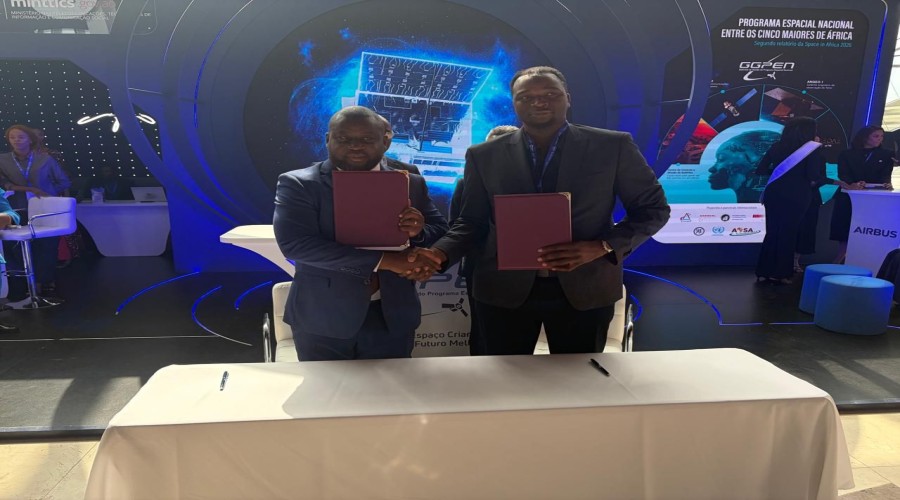
The agreement was signed in
Luanda during the ANGOTIC – Angola ICT Forum, where government officials,
technology companies, and industry stakeholders gathered to discuss the future
of digital innovation and connectivity in Angola.
The partnership is expected
to support the development of advanced space-based technologies and accelerate
the country's efforts to harness satellite infrastructure for economic and
social development.
Speaking following the
signing ceremony, Satlyt Founder and Chief Executive Officer Rama Afullo said
the collaboration represents an important step in integrating space
infrastructure with artificial intelligence to deliver practical solutions for
national digital transformation.
The agreement will initially
focus on strengthening Earth observation and geospatial capabilities by
enabling faster processing of satellite imagery into actionable insights. The
technologies are expected to support applications in urban planning, agriculture,
infrastructure development, environmental monitoring, and natural resource
management.
The two organizations also
outlined a longer-term vision that includes collaboration on onboard artificial
intelligence systems, CubeSat development, and the advancement of sovereign
space data capabilities for Angola.
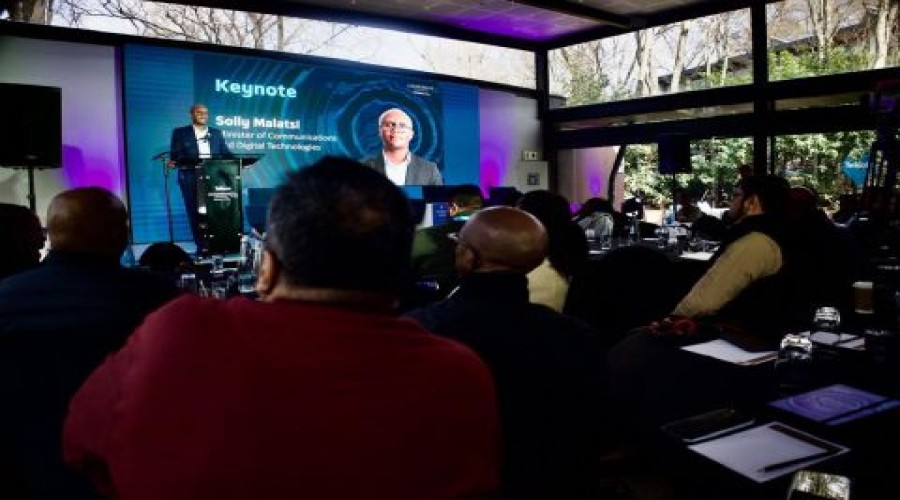
On the sidelines of ANGOTIC,
discussions also explored the growing role of satellite communications in
supporting digital transformation across Africa. Participants emphasized that
while expanding connectivity remains important, greater value can be created by
transforming satellite-generated data into practical tools for governments,
businesses, and communities.
Satlyt noted that the
partnership aligns with broader efforts to strengthen Africa’s space ecosystem
by combining emerging technologies with national development priorities and
building local capacity in advanced space applications.