By:
Robert Kwaku Annor
The University of Ghana has
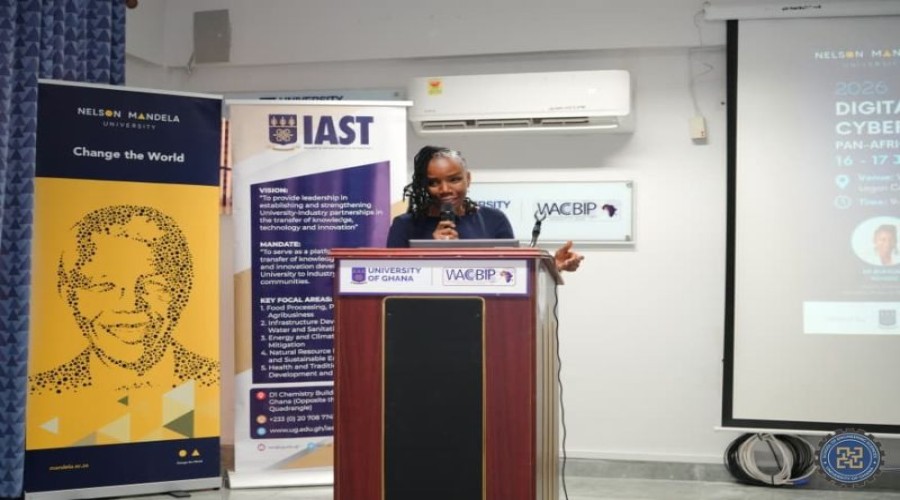
hosted the Digital Ubuntu: Cybersecurity/AI Pan-African Student Workshop,
bringing together students, researchers and academic leaders to discuss
emerging issues in cybersecurity and artificial intelligence while
strengthening collaboration across the continent.
Held on 16 and 17 July 2026,
the workshop was organised by the Institute of Applied Science and Technology
(IAST) in collaboration with Nelson Mandela University and with support from Google.
The event opened with
remarks from the Dean of the School of Engineering Sciences, Ing. Prof. Elsie
Effah Kaufmann, who underscored the importance of equipping young Africans with
the knowledge and skills needed to navigate the rapidly evolving digital
landscape.
She was joined by Prof.
David Doodo Arhin, Director of the Research and Innovation Directorate, who
also delivered opening remarks, highlighting the role of research, innovation
and cross-border collaboration in advancing cybersecurity and artificial
intelligence across Africa.
The workshop was moderated
by Dr. Bukelwa Ngoqo, Deputy Director of the Mandela University Africa Hub, and
Prof. Samuel Kojo Kwofie, Director of IAST. Prof. Robert Sowah, Head of the
Department of Computer Engineering at the University of Ghana, also addressed
participants during the programme.
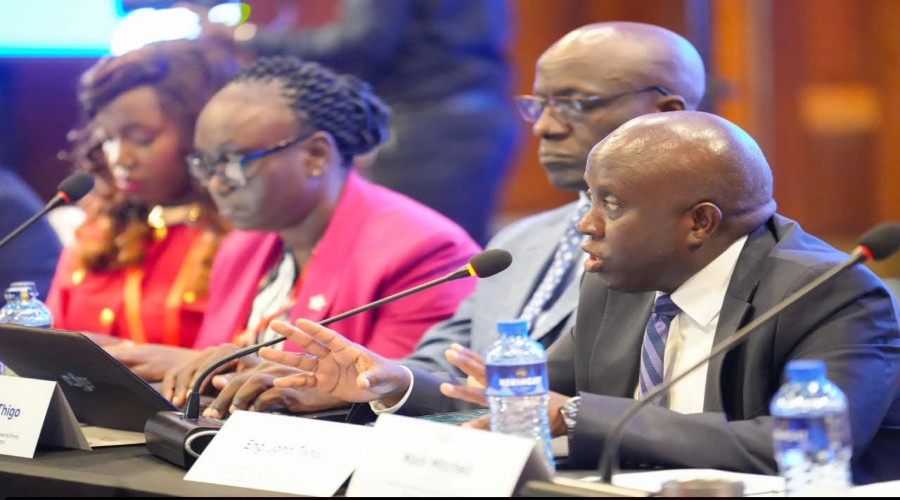
A key feature of the
workshop was a student panel discussion, where four University of Ghana
students—Asumboya Wilfred, Stanley Agbola, Miriam Aniwa, and Akua Asantewaa
Sarkodie—shared their perspectives on the opportunities and challenges
presented by cybersecurity and artificial intelligence.
The students discussed the
growing importance of digital security, responsible AI development and the need
to prepare the next generation of African innovators to address the continent's
evolving technological challenges.
The Digital Ubuntu workshop
formed part of broader efforts to promote Pan-African collaboration in digital
technologies by providing a platform for knowledge exchange, research
partnerships and student engagement. Through the initiative, participants explored
ways to strengthen cybersecurity resilience and harness artificial intelligence
for sustainable development across Africa.