By: Nana
Appiah Acquaye
Kenya is exploring the use
of green hydrogen to reduce carbon emissions from its tea processing industry
as part of efforts to develop cleaner energy solutions for agro-processing.
The Office of the Special
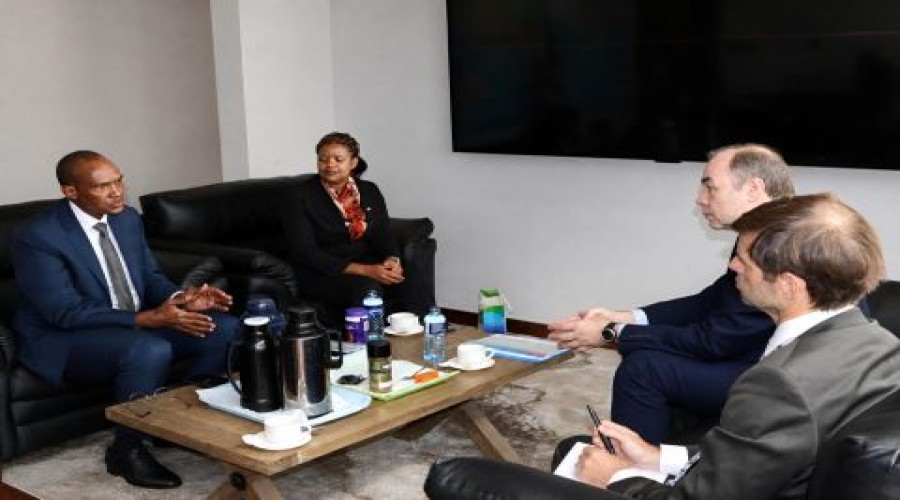
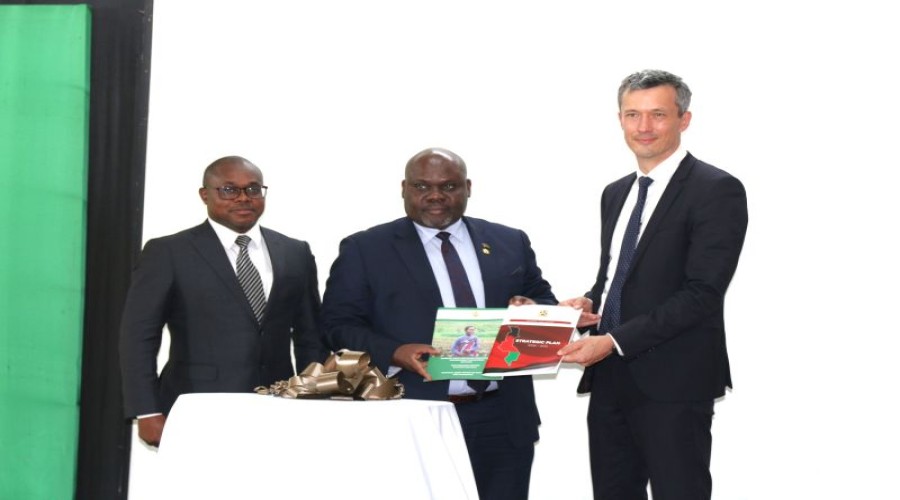
Envoy for Climate Change hosted a delegation from Bosch, led by Bosch Africa
President Dr Markus Thill, for discussions on the potential application of
green hydrogen in tea processing under the HyTea initiative.
The initiative is focused on
developing a green hydrogen process-heat solution for tea drying, an activity
that currently relies significantly on eucalyptus wood as a source of energy
across Kenya’s tea industry.
Bosch is working with the
Kenya Tea Development Agency (KTDA) to develop the proposed technology, which
is intended to provide a cleaner alternative for generating the heat required
during tea processing.
Beyond the tea sector, the
partners are exploring the potential to apply green hydrogen-based process heat
to other agricultural activities, including coffee roasting and the drying of
fruits and nuts.
The development of a broader
hydrogen ecosystem for agro-processing could support local value addition,
create employment opportunities and strengthen Kenya’s position in export
markets, while reducing emissions associated with agricultural processing.
The initiative could also
provide a pathway towards carbon credit certification once a validated proof of
concept has been established. The proposed hydrogen ecosystem could
additionally support the development of cleaner transportation solutions.
Kenya’s Special Envoy for
Climate Change, Amb. Ali Mohamed, welcomed progress on the initiative and
highlighted its potential to support the development of a renewable-powered
green hydrogen ecosystem in the country.
He said such an ecosystem
could strengthen local value chains while contributing to Kenya’s
decarbonisation objectives and the broader Africa Green Industrialisation
Initiative.