By: Nana
Appiah Acquaye
The World Bank has reviewed
progress on Malawi’s 2,000 Schools Connectivity Initiative under the Digital
Malawi Acceleration Project (DMAP), with stakeholders focusing on how
high-speed internet and reliable electricity can be delivered together to public
schools across the country.
The World Bank
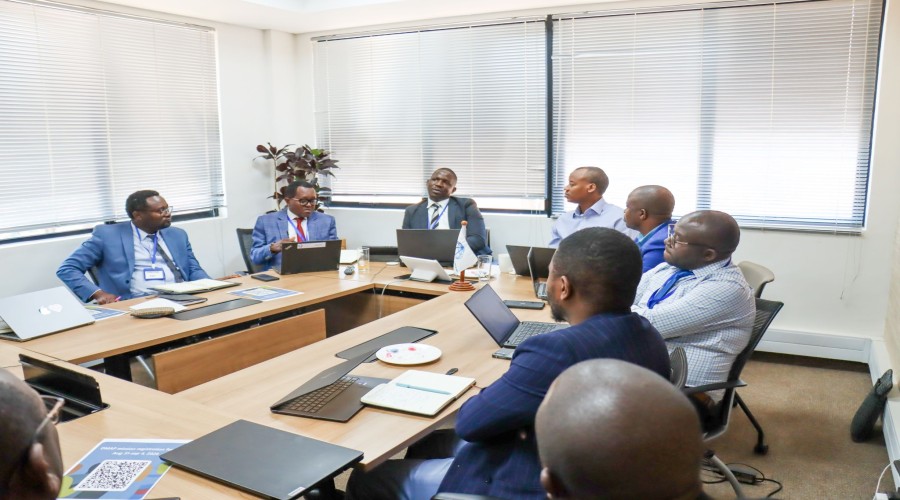
Implementation Support Mission (ISM) met with senior officials from the
Ministry of Education, the Accelerating Sustainable and Clean Energy
Transformation (ASCENT) Project, the Department of e-Government and the Malawi
Education and Research Network (MAREN) to assess implementation progress and
strengthen coordination between the two infrastructure initiatives.
Under DMAP, MAREN is
responsible for providing high-speed broadband connectivity and network
services to 2,000 schools nationwide. In parallel, the ASCENT Project is
supporting the electrification of schools and health facilities, particularly
in remote and off-grid communities.
The discussions focused on
harmonising the implementation of both programmes, addressing challenges and
ensuring the long-term sustainability of school connectivity services.
Stakeholders noted that
reliable electricity is a critical foundation for effective broadband use,
particularly in rural schools. Electrified schools are better positioned to
benefit from high-speed internet, creating opportunities for digital learning and
greater access to online educational resources.
The Ministry of Education is
a key beneficiary of both initiatives, making coordination between the
connectivity and electrification programmes important to ensuring that
infrastructure investments translate into improved teaching and learning
outcomes.
Participants stressed that
greater synergy between DMAP and ASCENT will be essential to developing schools
that are both digitally connected and adequately powered.