By: Nana
Appiah Acquaye
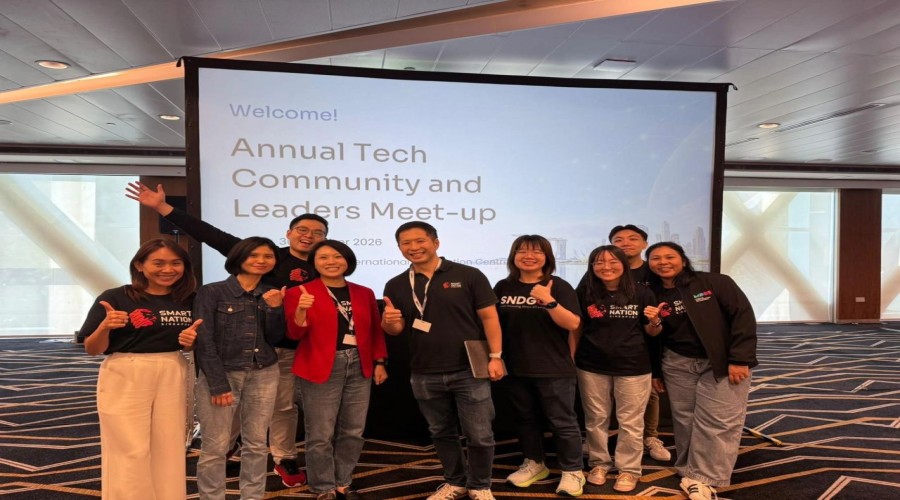
Nearly 200 technology
leaders from Singapore's government sector have gathered for the Annual Tech
Community and Leaders' Meet-up (ATCLM) 2026 to examine how artificial
intelligence can be implemented in government operations and transform the way
public services are delivered.
The event, organised by the
Smart Nation Digital Group, focused on practical AI implementation and the need
for public sector organisations to rethink existing workflows rather than
simply adopt new technologies.
Vicky Wang, Senior Director
at the Smart Nation Digital Group, said the discussions highlighted how
bringing AI into government work goes beyond adopting tools, requiring
organisations to understand existing work processes and redesign them to make
effective use of the technology.
Presentations featured Leo
Shuo Li from the Ministry of Education (MOE), Wanyi Weng from the National
Environment Agency (NEA), and Chee Wee Ang from the Home Team Science and
Technology Agency (HTX), who shared practical experiences of AI implementation
within their respective organisations.
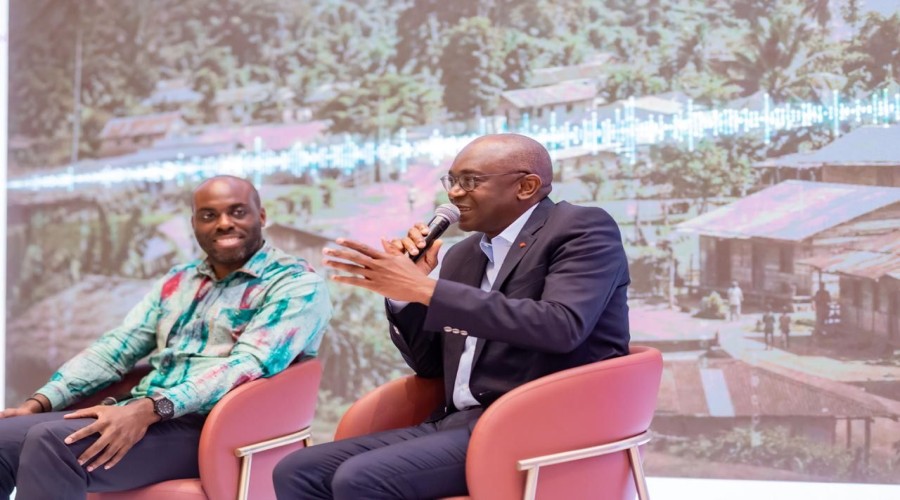
A fireside chat also
featured Feng-Ji Sim from the Government Chief Digital Technology Office
(GCDTO) and GovTech Chief Executive Wei Boon Goh.
Among the examples discussed
was HTX's use of robots designed to perform tasks beyond the capabilities of
typical humanoid robots. Wang highlighted that the robots are trained to get up
from a face-down position and walk on their knees to meet the specific
operational requirements of frontline officers.
The Ministry of Education's
Markly, an AI tool for marking papers, raised questions about the role of
artificial intelligence in education and the responsibilities that should
remain with teachers.
According to Wang, the
example highlighted the need to reconsider where teaching begins and where AI
can take over, while clarifying the responsibilities that only teachers can
fulfil.
The National Environment
Agency's presentation focused on AI diffusion and how effective practices can
be spread across an organisation rather than remaining confined to pilot
projects.
Wang said the discussions
challenged organisations to redefine work by determining what tasks should be
retained, redesigned or handed over to AI.
"Transformation goes
well beyond tool adoption," she said, emphasising the importance of
understanding work processes and redesigning them to achieve meaningful AI
transformation.