By: Nana Appiah Acquaye
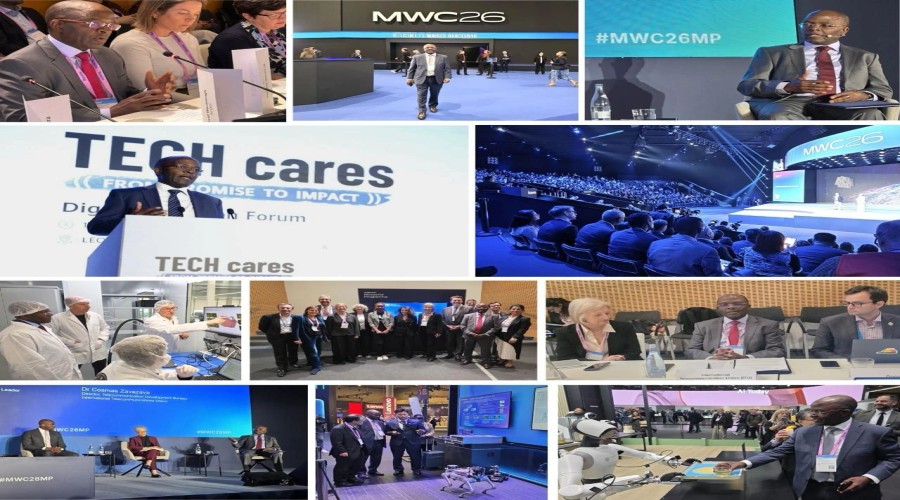
The 2026 edition of the Mobile World Congress 2026 has reinforced the role of digital development as a catalyst for technological transformation, economic growth, and inclusive connectivity across the global telecommunications industry.
According to Cosmas
Luckyson Zavazava, Director of the Telecommunication Development Bureau
at the International Telecommunication Union,
this year’s gathering positioned digital innovation at the centre of
discussions on the future of connectivity, with stakeholders from across the
world exploring solutions to accelerate digital transformation.
One of the key themes emerging from
the event was the advancement of network infrastructure, particularly the
integration of artificial intelligence into core telecommunications networks.
Industry players highlighted how AI is moving from theoretical discussions to
practical deployment, helping to enhance operational efficiency while laying
the foundation for next-generation technologies such as 6G.
The global technology forum also
served as a platform for economic engagement, attracting investment and
encouraging innovation within local digital ecosystems. Governments, private
sector actors and development partners used the event to explore new opportunities
for collaboration aimed at strengthening the digital economy.
Policy dialogue and international
cooperation were also prominent during the congress, as delegations from
multiple countries worked together to shape forward-looking regulatory
frameworks and build partnerships that support sustainable digital growth.
Discussions at the event further
emphasized the importance of digital inclusion, with initiatives such as
“Mobile for Development” highlighting efforts to bridge connectivity gaps by
improving device affordability, strengthening digital skills and expanding
access to underserved communities.
The congress also showcased a range
of applied innovations, including satellite direct-to-device connectivity,
artificial intelligence-powered robotics and digital health technologies,
demonstrating how emerging solutions are addressing real-world challenges.
In
addition, workforce development featured strongly on the agenda, with platforms
such as the Talent Arena providing opportunities for students and professionals
to build critical technology skills needed for the evolving digital economy.