By:
Kanto Kai Okanta
The
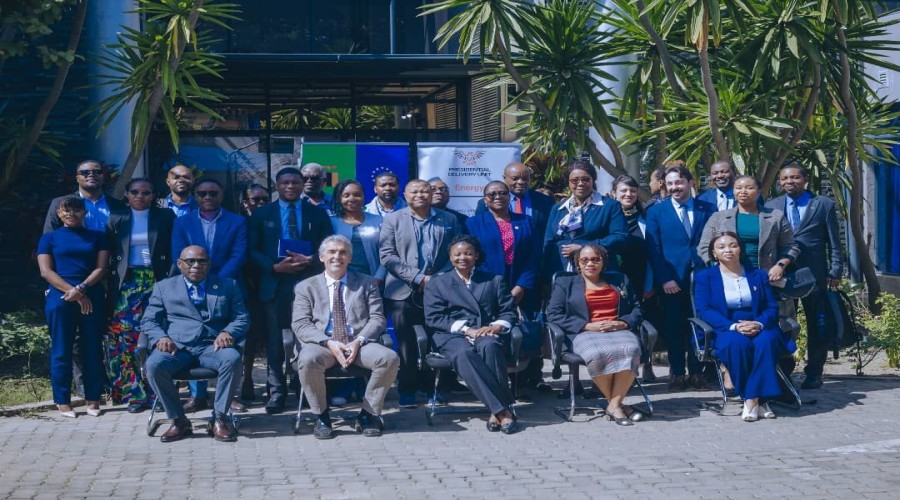
Presidential Delivery Unit (PDU) has reported growing momentum in investment
opportunities linked to the Lobito Corridor following the dissemination of
findings from the November 2025 EU–Zambia Lobito Corridor Business Forum, held
in partnership with the European Union Delegation to Zambia and the Common
Market for Eastern and Southern Africa (COMESA).
The
findings confirm the emergence of a strong pipeline of potential investments
across key sectors including agriculture, energy, manufacturing, critical raw
materials, infrastructure, and the green economy. The initiative is aligned
with President Hakainde Hichilema’s broader economic transformation agenda,
which prioritises industrialisation, regional trade expansion, and private
sector-led growth.
Head
of the Presidential Delivery Unit, Ms. Kusobile Kamwambi, said the forum was
designed as the beginning of a structured implementation process rather than a
standalone engagement. She noted that the focus now is on converting identified
opportunities into measurable economic outcomes.
She
emphasised that success would be assessed not by the volume of meetings or
reports generated, but by tangible results such as investments facilitated,
partnerships established, enterprises supported, and jobs created.
European
Union Head of Cooperation in Zambia, Mr. Claudio Bacigalupi, described the
Lobito Corridor as a flagship regional initiative with the potential to
transform economic landscapes. He said infrastructure of this nature does more
than connect regions, noting that it plays a critical role in economic
development and improving livelihoods along the corridor.
According
to the PDU, the November 2025 forum brought together more than 1,050
participants and enabled over 370 structured engagements between governments,
businesses, investors, and development partners. The resulting opportunities
are now advancing through various stages, including due diligence, project
preparation, financing discussions, and negotiations, with significant progress
expected over the next 6 to 24 months.
Stakeholders
reaffirmed their commitment to sustaining collaboration aimed at translating
the investment pipeline into concrete projects that deliver jobs, exports, and
inclusive economic growth across Zambia and the wider region.