By: Nana
Appiah Acquaye
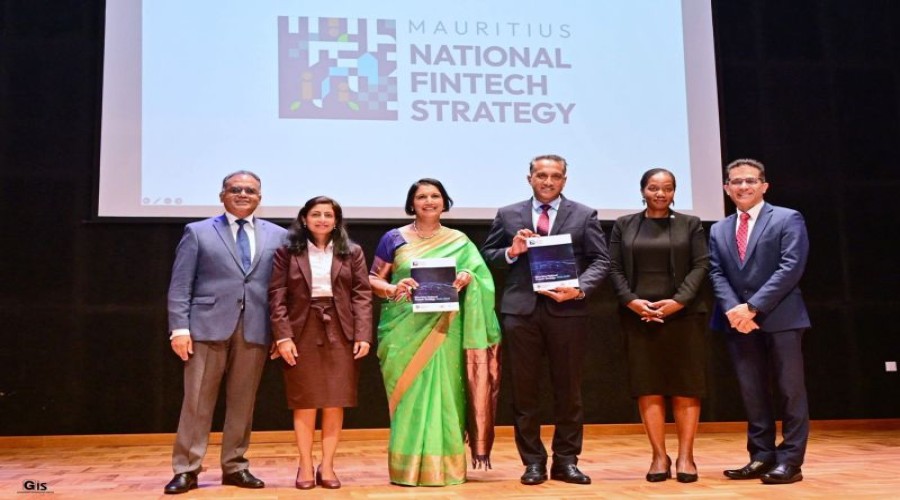
Mauritius has launched its
National Fintech Strategy 2026–2030, outlining an ambitious roadmap to
strengthen the country's position as a leading fintech hub and accelerate
digital transformation across Africa.
The strategy was unveiled in
Port Louis during an event attended by policymakers, financial sector
stakeholders, technology leaders, and development partners. Speaking at the
launch, the Chief of Technology, Innovation, Connectivity and Infrastructure
Development (TICI) Section at the UN Economic Commission for Africa (ECA), Mactar
Seck emphasized the importance of building resilient digital ecosystems capable
of driving innovation, expanding financial inclusion, and supporting
sustainable economic growth.
According to stakeholders,
the strategy seeks to establish Mauritius as a trusted destination for fintech
innovation by creating an enabling environment for digital financial services
and emerging technologies. The framework is built around several strategic
pillars, including the development of a responsive regulatory environment,
investment in digital infrastructure and cybersecurity, workforce development,
increased adoption of digital financial services, enhanced regional and
international cooperation, and stronger consumer protection measures.
The launch comes as African
countries continue to accelerate efforts to digitize their economies and expand
access to financial services. Industry experts believe fintech has become a key
driver of economic transformation, enabling greater financial inclusion,
facilitating cross-border trade, and creating new employment opportunities.
Seck noted that digital
technologies present a significant opportunity for African countries to develop
innovative local solutions that address development challenges while supporting
economic integration across the continent. He highlighted the role of fintech
in advancing the implementation of the African Continental Free Trade Area by
improving payment systems, supporting digital commerce, and enhancing financial
connectivity between markets.
The strategy also aligns
with broader continental efforts to strengthen digital economies and leverage
technology to improve access to finance for individuals and businesses.
Officials noted that a robust fintech ecosystem can contribute to economic resilience
by expanding financial services to underserved populations and supporting
entrepreneurship.
The United Nations Economic
Commission for Africa reaffirmed its commitment to supporting African member
states through technical assistance, policy advisory services, capacity
building, and knowledge-sharing initiatives aimed at fostering inclusive and competitive
digital economies.