By: Nana Appiah Acquaye
The Founder and Chief Technology and Solutions Officer of
TALISMAN Cybersecurity, Gallo Fall, participated in a high-level panel
discussion on digital sovereignty at the WSIS Forum 2026 in Geneva, where
experts examined strategies for building secure, resilient and autonomous
digital infrastructure.
The interactive
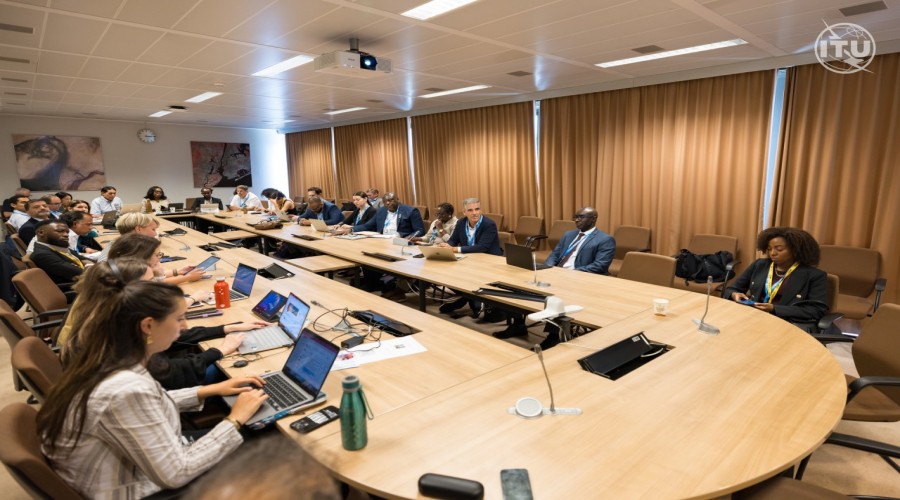
session, titled "Operationalizing Digital Sovereignty: The Autonomy
Blueprint," was held on 7 July 2026 at the headquarters of the
International Telecommunication Union (ITU) during the WSIS Forum 2026, which
took place in Geneva from 6 to 10 July. The session explored how countries,
particularly in Africa and the Arab region, can strengthen national control
over critical digital infrastructure amid growing geopolitical tensions and
increasing reliance on global technology providers.
Framed around digital public infrastructure, sovereign
stacks, post-quantum resilience and edge AI, the session focused on practical
approaches to reducing vendor lock-in, strengthening cybersecurity and
preparing for emerging post-quantum threats.
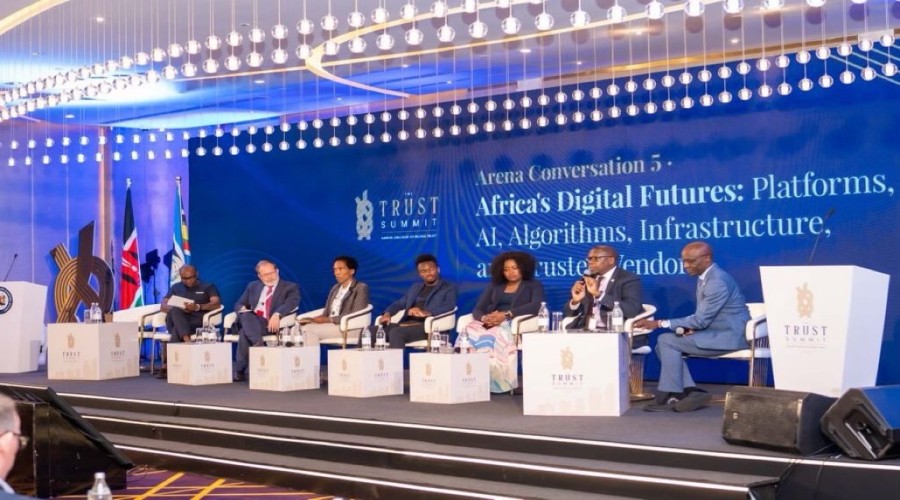
Fall joined a panel comprising François Rodriguez, Chief
Commercial Officer at RealTyme; H.E. Eng. Mohamed Ben Amor, Director General of
the Arab Information and Communication Technologies Organization (AICTO); and
Thelma Efua Quaye, Chief Digital Infrastructure, Skills, and Empowerment
Officer at Smart Africa. The discussion was moderated by Maryna Veuthey,
Product Marketing Specialist at RealTyme.
During the session, participants examined how governments can
deploy secure-by-design communication platforms and sovereign digital public
infrastructure that safeguard national data, strengthen cyber resilience and
support digital independence.
Fall contributed insights on digital, data and artificial
intelligence sovereignty, drawing on his experience in cybersecurity and the
development of the Digital Sovereignty Intelligence Platform (DSIP), a
continuous intelligence ecosystem designed for governments, ministries,
critical infrastructure operators and national institutions seeking to retain
strategic control over their data, infrastructure and AI capabilities, which
assesses, diagnoses and monitors a nation's sovereignty posture and delivers reports,
recommendations and key performance indicators intended as a roadmap for action
rather than a one-off snapshot.
He warned that
nations face converging risks of data colonialism, vendor lock-in, AI
dependency and infrastructure exposure, compounded by the "harvest now,
decrypt later" quantum threat, in which adversaries capture encrypted
government communications today with the aim of decrypting them once quantum
computers mature.
Fall also
cautioned African governments against accepting offers of free data centres
from foreign technology companies, describing such arrangements as a new form
of data colonialism in which "free is not free," and urged states to
reject them, classify their data by sensitivity, and ensure that sensitive data
never leaves the continent or falls under foreign jurisdiction.