By: Nana Appiah Acquaye
Africa must transition from
being a participant in global affairs to becoming a central strategic architect
of the future, Ethiopia’s Minister of Foreign Affairs, Dr. Gedion Timothewos,
has said.
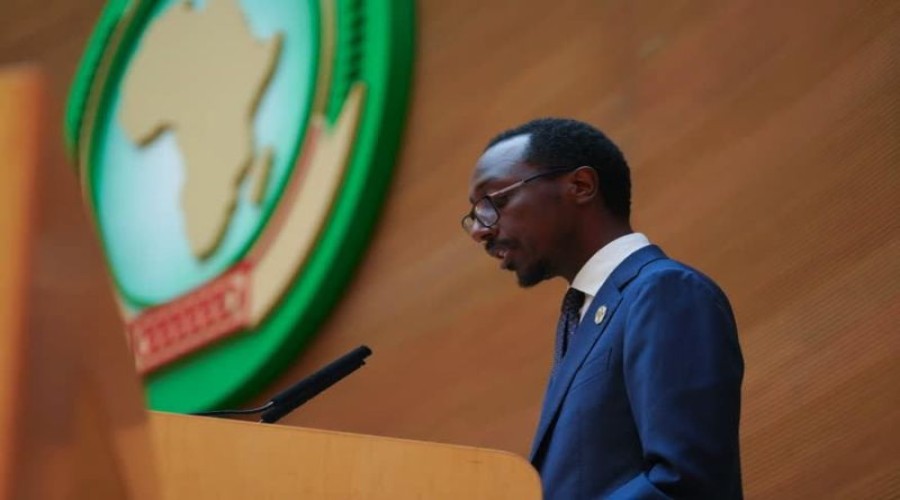
Speaking at the opening of
the 49th Ordinary Session of the Executive Council of the African Union in
Addis Ababa, Dr. Gedion outlined key priorities for the continent as it
navigates major global shifts driven by geopolitical changes, technological
disruption and climate challenges.
The minister said Africa has
reached a critical moment where it must strengthen institutional reforms,
improve financial independence and ensure greater control over the management
of its resources to fully realise its economic potential.
According to Dr. Gedion, the
continent’s growing economic momentum presents a historic opportunity for
Africa to play a more influential role in shaping global development.
With eight of the world’s
ten fastest-growing economies in 2026 projected to be in Africa, he noted that
the continent is positioned to become a major engine of global growth in the
second half of the 21st century.
However, he stressed that
achieving this potential requires deeper reforms within continental
institutions, moving beyond technical adjustments towards a strategic
transformation of governance structures that reflect current global realities.
He called for stronger
political ownership of reforms within the African Union, arguing that
institutional changes must be driven by African priorities and supported by
member states.
Dr. Gedion also highlighted
the importance of financial sustainability for the continental body, noting
that predictable and independent funding is essential for the African Union to
effectively implement decisions and programmes agreed by member states.
In addition, he emphasised
the need for equitable resource management frameworks that ensure Africa’s
natural and strategic resources are governed through African-led approaches
that promote regional integration and shared prosperity.
The Executive Council
session also provided an opportunity for member states to recognise Africa’s
ongoing public health resilience and the leadership role of the Africa Centres
for Disease Control and Prevention (Africa CDC) in strengthening health security
across the continent.