By: Nana
Appiah Acquaye
The International
Telecommunication Union (ITU) has called for stronger use of technology and
resilient communications systems to protect lives and support effective
disaster response as countries face increasingly complex natural hazards.
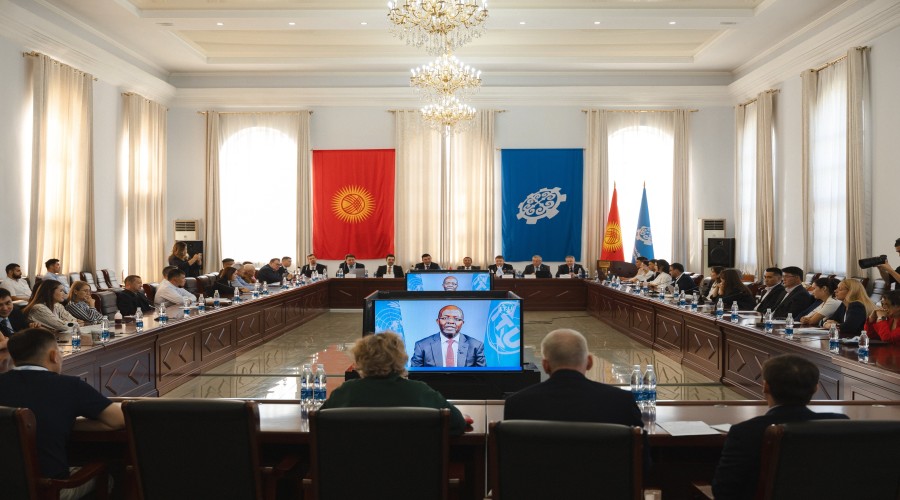
Director of the ITU
Telecommunication Development Bureau, Cosmas Luckyson Zavazava, made the call
while delivering a keynote address on Emergency Telecommunications at the 49th
meeting of Permanent Consultative Committee I (PCC.I) of the Inter-American Telecommunication
Commission in Asunción, Paraguay.
Zavazava stressed the
strategic importance of telecommunications throughout all phases of natural
hazards, from preparedness and early warning to emergency response and
recovery.
He said effective disaster
management must be built around proactive measures, including the development
and implementation of National Emergency Telecommunication Plans.
He also highlighted the role
of artificial intelligence-enhanced early warning systems in improving
countries’ ability to identify emerging risks and communicate timely alerts to
populations at risk.
According to Zavazava,
resilient telecommunications infrastructure and robust regulatory frameworks
are equally important to ensuring that communications networks remain
operational when disasters strike.
He outlined ongoing ITU
initiatives aimed at supporting countries in the Americas and other regions to
strengthen their emergency telecommunications capabilities and improve
preparedness for natural hazards.
A particular focus of his
address was the promotion of universal early warning mandates to ensure that
people can receive timely and potentially life-saving information regardless of
their location.