By: Nana
Appiah Acquaye
The African Union
Commission’s Commissioner for Infrastructure and Energy has called for an
approach to artificial intelligence sovereignty that is developmental,
people-centred and inclusive, with Africa’s citizens and young people at the
centre of the continent’s AI transformation.
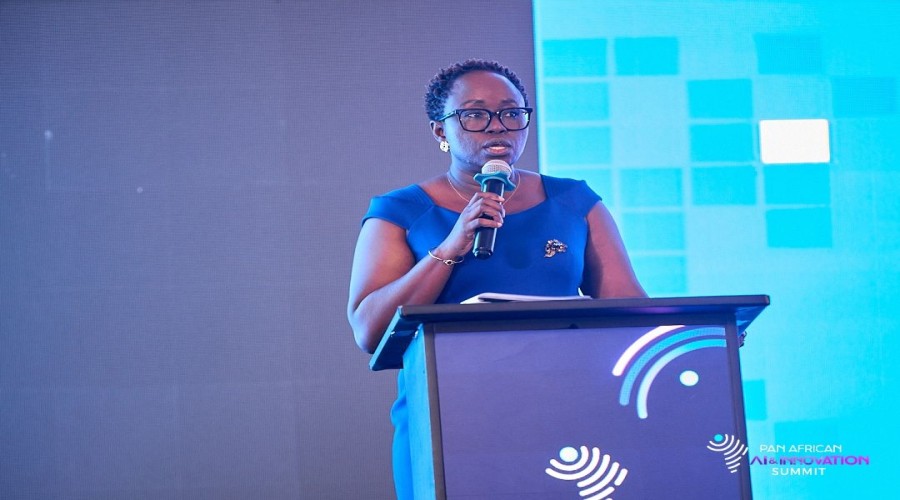
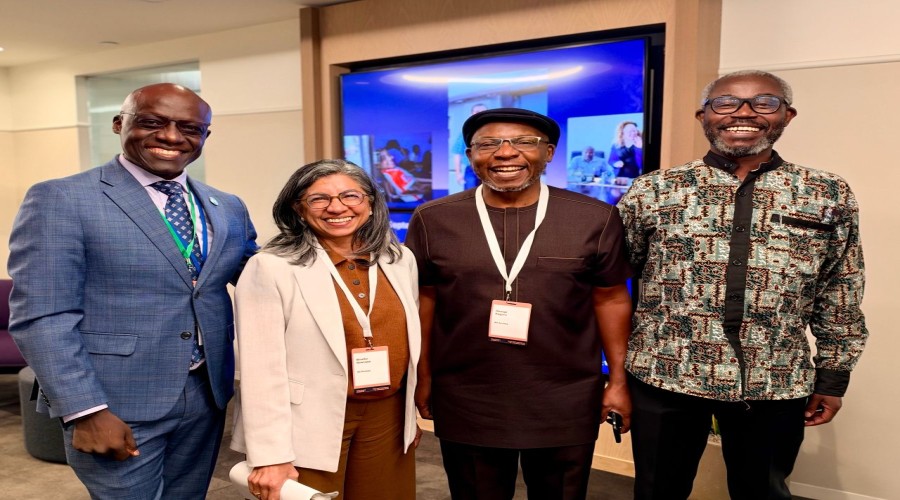
The Commissioner made the
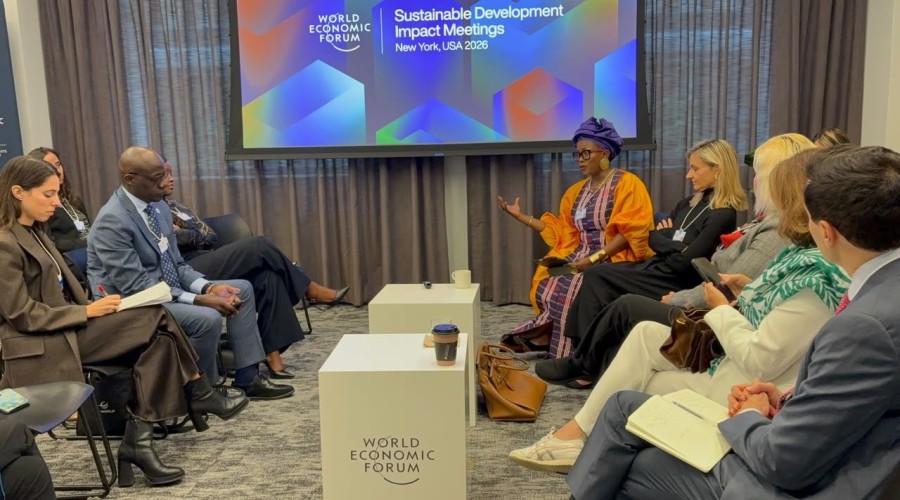
call in New York, during a World Economic Forum Sustainable Development Impact
Meetings roundtable on “Supporting Regions to Build Competitive and Sovereign
AI Ecosystems” held on the margins of the 81st United Nations General Assembly.
She emphasised that AI
sovereignty should not focus solely on enterprises but must also ensure that
artificial intelligence delivers meaningful benefits to citizens, particularly
Africa’s young people.
The discussion examined the
development of African AI ecosystems guided by the African Union Continental AI
Strategy, with an emphasis on ensuring that AI delivers tangible benefits for
people and communities.
The Commissioner also
highlighted the relationship between AI, computing capacity and energy, noting
the need to address energy and electrification challenges that underpin the
development of sustainable AI infrastructure.
She called for greater
access to AI while ensuring that emerging ecosystems are grounded in
sovereignty, transparency and the responsible use of AI models.
Skills were also identified
as a central component of AI sovereignty. The Commissioner stressed that
infrastructure without people and skills is not sustainable, making
researchers, developers and a skilled workforce essential to national AI
strategies.
She further emphasised the
importance of investment in education and skills, noting that skills cannot be
developed overnight regardless of the level of investment.
Skilling, she said, must
therefore become a core pillar of Africa’s digital foundations, requiring
countries to rethink and transform their education systems.
The discussions reinforced
the view that Africa’s AI future will depend not only on the infrastructure
being developed, but also on the people, skills, energy systems and
institutions placed at the centre of the continent’s digital transformation.