By: Nana
Appiah Acquaye
Gabon has called for a shift
in Africa’s artificial intelligence (AI) approach from competing to build the
largest systems to deploying practical, specialised solutions that address
everyday challenges across sectors.
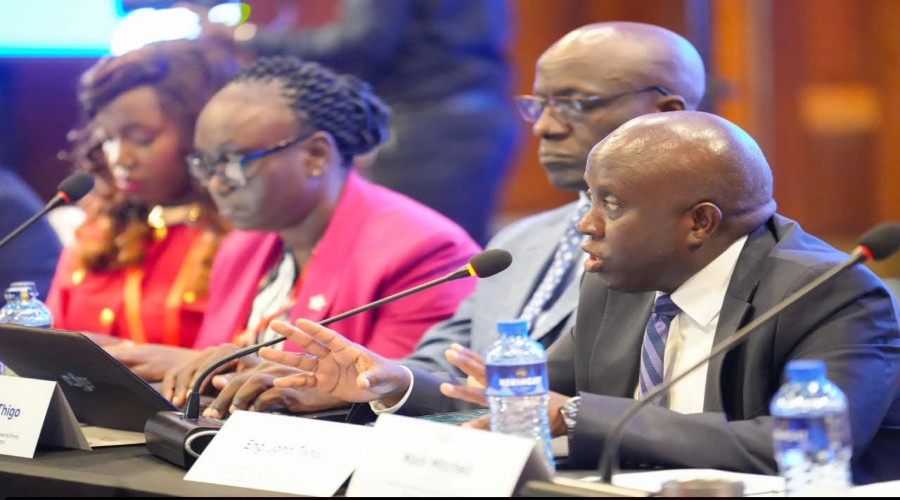
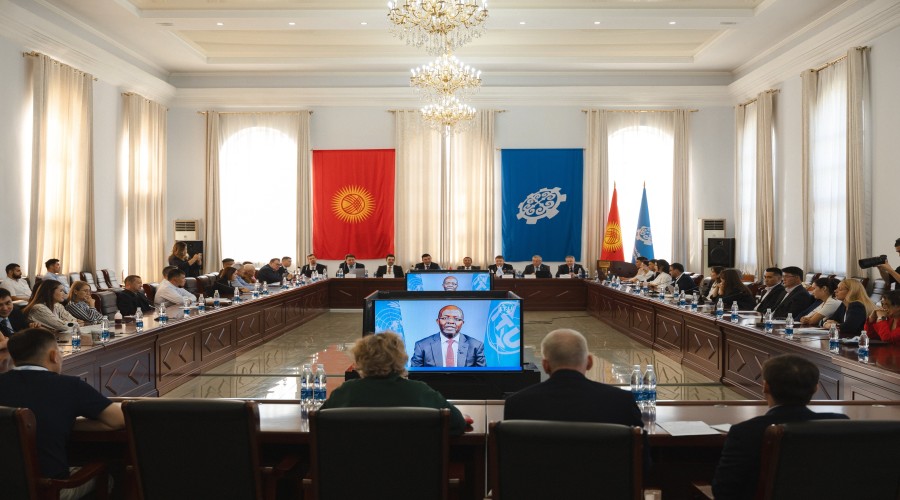
Speaking at the UN Global
Dialogue on AI Governance in Geneva, Gabon’s Minister of Digital Economy,
Digitalisation and Innovation, H.E. Mark-Alexandre Doumba, argued that the
future of AI lies not only in large-scale models but in “small AI” applications
designed to solve specific local needs — from improving agricultural
productivity to supporting healthcare delivery and enhancing education.
The minister’s position
aligns with a growing African push for responsible and inclusive AI adoption,
where technology is developed and deployed based on the continent’s unique
priorities and realities.
The message also shaped
discussions between Minister Doumba and H.E. Lerato D. Mataboge, Commissioner
for Infrastructure and Energy at the African Union Commission, during the
Geneva gathering.
Gabon’s AI ambitions are
being supported by investments in critical digital infrastructure. Prior to the
global dialogue, the country inaugurated its first sovereign data centre, a
Tier III-certified facility designed to support advanced digital services,
including artificial intelligence workloads.
The country has also
introduced a new regulatory framework for digital platforms, adopting a
co-regulation approach that is being closely monitored across Africa as
governments seek to balance innovation, accountability and user protection.
The Geneva discussions
linked Gabon’s national digital development efforts with broader continental
initiatives, including the African Union’s Digital Transformation Strategy for
Africa and the Continental Artificial Intelligence Strategy.
Through these frameworks,
the African Union is supporting member states in building capacity,
strengthening digital ecosystems and ensuring that emerging technologies such
as AI deliver meaningful benefits for citizens and communities.