By: Nana Appiah Acquaye
South Africa’s Department of
Science, Technology and Innovation (DSTI) has highlighted the role of
community-based innovation ecosystems in supporting young entrepreneurs and
accelerating inclusive economic development following a visit to Innovate Durban
in Cato Manor.
Deputy Minister of Science,
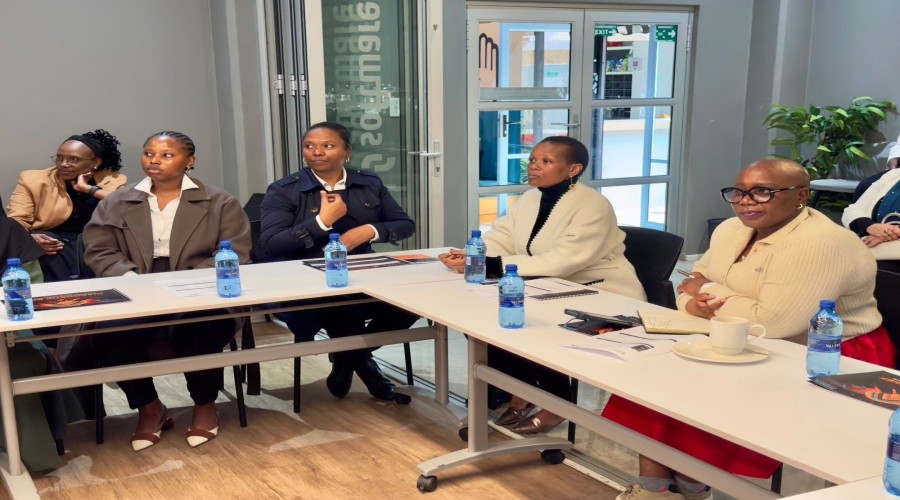
Technology and Innovation, Dr. Nomalungelo Gina, visited the innovation hub
where she engaged with young innovators, entrepreneurs and beneficiaries of
programmes supported by the DSTI and its entity, the Technology Innovation
Agency (TIA).
Hosted by Innovate Durban
CEO Aurelia Albert, the visit focused on the importance of bringing innovation
support services closer to township communities and reducing barriers that
prevent talented individuals from transforming ideas into sustainable businesses.
Dr. Gina said young
innovators should not be required to spend resources they do not have to access
mentorship, skills development, guidance and opportunities needed to grow their
ventures.
She noted that establishing
innovation ecosystems within communities such as Cato Manor creates
opportunities for local entrepreneurs to access the support required to move
from ideation to commercialisation.
The Deputy Minister
highlighted the impact of Innovate Durban’s programmes, noting that more than
70 businesses have been registered, 51 jobs have been created and R7.3 million
in investment has been attracted through the initiative, with seven innovators
currently participating in the programme.
During the visit, Dr. Gina
was introduced to several innovative enterprises developing solutions across
different sectors.
Among the businesses
showcased was Tropical Paradise Smoothie Bar, a woman-owned enterprise that
uses locally sourced fruit to produce smoothies, dehydrated fruit and
citrus-based products.
She also highlighted
CareerKit, a gamified artificial intelligence-enabled career guidance solution
designed to help learners make informed decisions about future career pathways,
as well as Mcebo Mushroom Agribusiness, which uses affordable production methods
to support skills development, enterprise creation and cooperative formation.
Dr. Gina emphasised that
government alone cannot build sustainable innovation ecosystems and called for
stronger partnerships between government, the private sector, international
partners, civil society and communities.
She commended Innovate
Durban for demonstrating the impact of collaborative approaches in supporting
entrepreneurs and ensuring that innovation opportunities reach communities that
have traditionally faced limited access to resources.
The Deputy Minister said as
South Africa continues to pursue its industrialisation agenda, it is essential
to ensure that innovation is inclusive and that promising ideas receive the
necessary support regardless of where they originate.