By: Nana
Appiah Acquaye
The Deep Learning Indaba
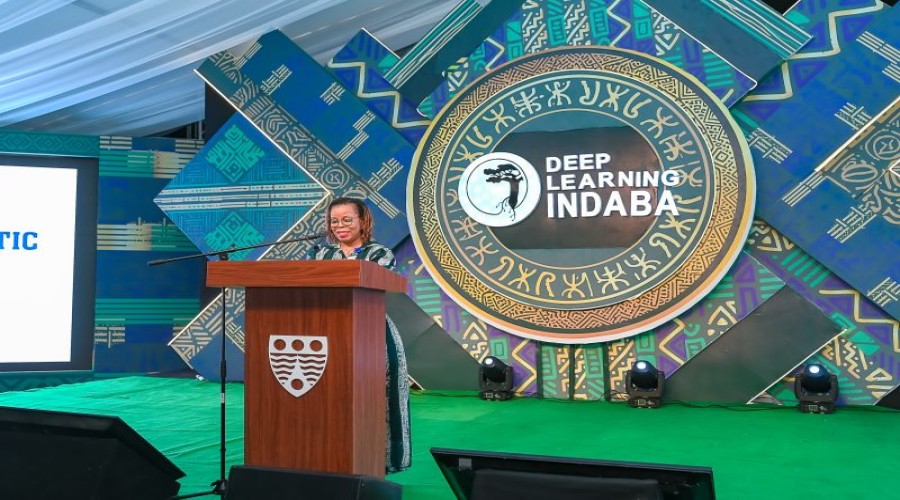
(DLI) 2026 has commenced at Pan-Atlantic University (PAU), bringing together
researchers, artificial intelligence experts, innovators, and technology
leaders from across Africa and beyond to advance discussions around the future of
artificial intelligence on the continent.
The opening programme
highlighted the theme of sovereign intelligence, with participants exploring
how African researchers and institutions can develop AI systems that reflect
local needs, data, languages, and societal priorities.
The official opening
ceremony featured remarks from Pan-Atlantic University Vice-Chancellor
Professor Enase Odu Okonedo and Nigeria’s Minister of Communications,
Innovation and Digital Economy, Dr. ‘Bosun Tijani, who outlined the importance
of technology, research, and innovation in driving Africa’s digital
transformation.
The 2026 edition is being
led by General Chairs Aisha Alaagib, Albert Njoroge Kahira, and Chinazo
Anebelundu, who welcomed participants for a week of learning, collaboration,
and knowledge exchange.
The event also recognised
outstanding contributions to artificial intelligence research through its
annual awards. Professor Omneya Attallah from Egypt received the Anta Diop
Award for her work in biomedical AI, explainable AI, and breathomics-based cancer
screening.
Dr. Hellina Hailu Nigatu
from Ethiopia was awarded the Maathai Impact Award for her efforts in
addressing gender bias in machine translation through the development of the
Yeswa Stories dataset covering Amharic, Afan Oromo, and Tigrinya languages.
Abdel-aziz Harane from Chad received the runner-up recognition for developing
the Kalam-na project focused on Chadian indigenous languages.
The programme featured
expert sessions on sovereign intelligence, African-centred large language
models (LLMs), responsible AI, graph neural networks, and cloud GPU
infrastructure.
Speakers included Kathleen
Kallot of Amini, who shared insights on practical applications of sovereign
intelligence, and David Ifeoluwa Adelani from McGill University, who discussed
efforts to build AI models designed around African languages and contexts.