By: Nana
Appiah Acquaye
South Africa is
strengthening its contribution to global scientific research through emerging
fields such as Exposome Science, with the government highlighting the
importance of understanding how environmental conditions influence human
health, livelihoods, and sustainable development.
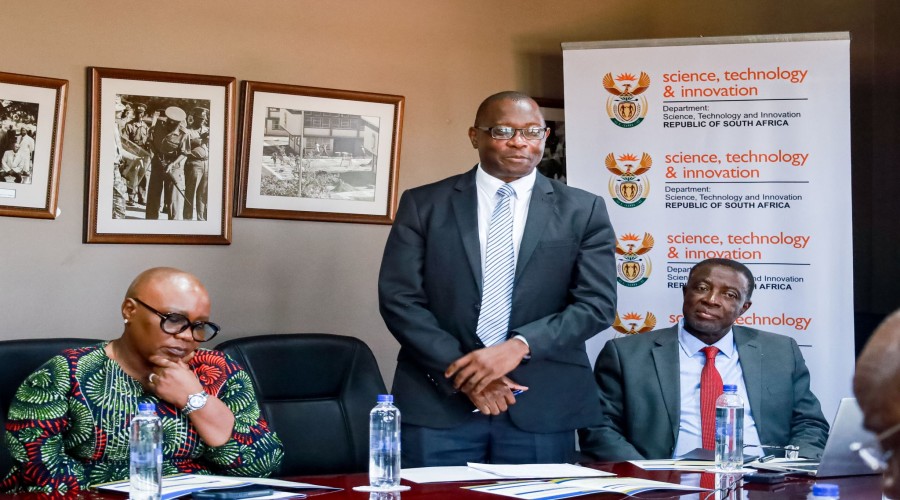
Deputy Minister of Science,
Technology and Innovation Dr Nomalungelo Gina highlighted the growing relevance
of Exposome Science following her participation at the UNESCO 2026 Global
Conference of the International Decade of Sciences for Sustainable Development,
where discussions focused on advancing scientific approaches to addressing
global challenges.
Exposome Science examines
the impact of environmental exposures on human wellbeing, providing insights
into how factors such as climate change, pollution, and ecological conditions
affect communities and populations.
During a visit to the Centre
for Global Change at the University of Limpopo, Dr Gina noted the alignment
between the institution’s research and the objectives of Exposome Science. The
centre’s work focuses on areas including climate resilience, water security,
sustainable agriculture, environmental sustainability, and community
adaptation.
She said research being
conducted at the centre demonstrates the potential for African institutions to
generate scientific knowledge while developing solutions tailored to the
continent’s unique environmental and social challenges.
The Deputy Minister also
highlighted the impact of research initiatives supporting farmers and rural
communities, including projects such as Ntl Baraka Eco-Farming, led by Ms Nomsa
Ngwenya, which demonstrate how science and innovation can improve agricultural
sustainability and strengthen climate resilience.
Dr Gina commended Professor
Kingsley Ayisi, Director of the University of Limpopo Centre for Global Change,
and University Vice-Chancellor Dr Jeffrey Mabelebele for their leadership in
advancing scientific excellence, innovation, and sustainable development.
She also recognised the
contributions of postgraduate and postdoctoral researchers, including Mpho
Thabiso Molobela and Dr Mpho Phehla, whose work is contributing to
evidence-based approaches for addressing environmental and climate-related
challenges.
The Deputy Minister further
congratulated graduates of the Climate Change Mitigation and Adaptation Short
Learning Programme, describing them as part of a new generation of
professionals equipped to support communities, institutions, and governments in
responding to climate change.
South Africa’s research
institutions continue to play a key role in advancing solutions to climate and
environmental challenges, with initiatives such as those at the University of
Limpopo Centre for Global Change contributing to the country’s broader sustainability
and innovation agenda.