By: Nana
Appiah Acquaye
Egypt’s Ministry of
Communications and Information Technology (MCIT) and Ministry of Labour have
signed a memorandum of understanding (MoU) to advance digital institutional
development, expand digital literacy and build skills aligned with labour
market requirements and the digital economy.
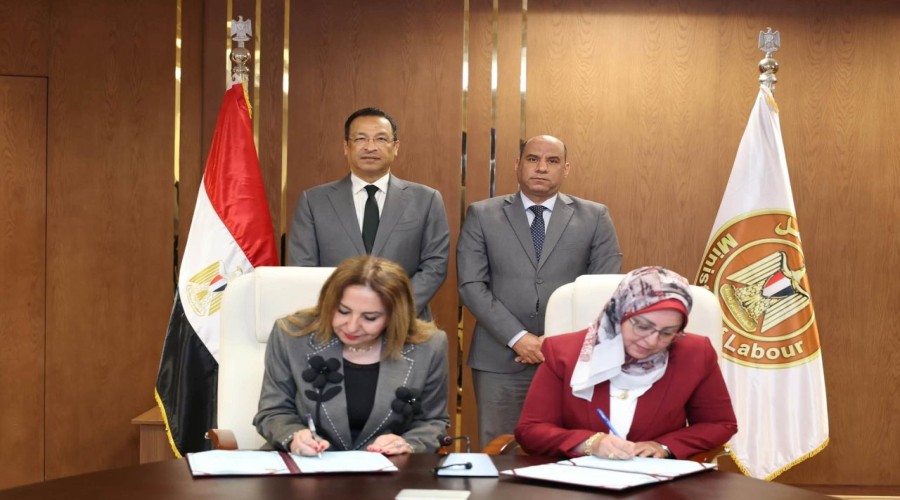
The agreement was witnessed
by Minister of Communications and Information Technology Raafat Hendy and
Minister of Labour Hassan Raddad. It provides for cooperation on digital
development projects at the Ministry of Labour and its affiliated entities, alongside
training programmes designed to support the development of a secure and
inclusive digital society.
The MoU was signed by Vice
ICT Minister for Institutional Development Ghada Labib and Head of the Central
Administration for Human Resources at the Ministry of Labour Nashwa Abdo
El-Shabaki.
Speaking at the signing
ceremony, Hendy said developing digital capacities and skills was a cornerstone
of digital transformation and the development of an integrated digital society.
He said the cooperation
would focus on two main areas: supporting digital institutional development at
the Ministry of Labour by building employees’ capacities and preparing them for
the digital workplace, and implementing digital capacity-building programmes
that promote awareness of the effective and safe use of technology.
The programmes are also
intended to open up broader opportunities for young people in freelancing and
help them benefit from opportunities offered by the digital economy.
Hendy said the agreement
reflected the integration of government institutions’ efforts to expand access
to digital capacity-building programmes and promote digital literacy, while
aligning training with labour market needs. He added that MCIT was placing
increasing importance on capacity building in artificial intelligence (AI) and
cybersecurity.
The ICT Minister also
highlighted ongoing cooperation between the two ministries to make the Ministry
of Labour’s services available through the Digital Egypt platform. The
partnership has already resulted in the launch of the employment registration
certificate service on the platform, with both ministries planning to make
additional digital services available to citizens.
Raddad said the MoU
reflected the ministries’ commitment to strengthening integration between the
labour and digital transformation systems and using technology to improve
services and operational efficiency in support of a knowledge- and
technology-based economy.
He said the Ministry of
Labour planned to expand the services available through the Digital Egypt
platform to include skill assessment certificates and licences to practise a
trade. The ministry is also working to establish an integrated digital employment
and training system that aligns training with labour market needs.
Raddad added that
preparations were underway to launch a digital labour platform to strengthen
connections between job seekers and employers and create new opportunities for
young people in freelancing and digital jobs.
These efforts will also
include regulating new forms of work, particularly employment through official
digital platforms, while balancing access to opportunities with the protection
of workers’ rights.
The Minister of Labour
stressed the need for a joint implementation plan to translate the agreement
into practical steps covering institutional development, capacity building,
digital literacy and training aligned with labour market requirements.
Under the MoU, the
cooperation will extend to the Ministry of Labour’s headquarters, directorates,
labour offices and affiliated vocational training centres across Egypt’s
governorates. Programmes will be designed to improve employees’ digital
capacities and job performance, promote digital literacy and encourage the safe
use of technology.
The agreement also provides
for expanded digital literacy and training programmes targeting different
segments of society, particularly graduates, job seekers, visitors to labour
offices and those most in need. The initiative is intended to promote knowledge-based
communities, digital and financial inclusion, and citizens’ opportunities for
digital economic empowerment.
Areas of cooperation include
training in digital transformation, financial inclusion and information
technology, as well as progressive digital skills programmes tailored to
different proficiency levels. Participants will also be prepared to pursue
internationally accredited certifications.
The ministries will also
cooperate on raising awareness of AI, cybersecurity, data protection and safe
practices in the digital environment. Outstanding trainees may be prepared to
serve as digital ambassadors, helping promote digital awareness in their communities.
The agreement further aims
to equip graduates, job seekers, entrepreneurs and small and medium-sized
enterprise owners with digital skills to develop freelancing opportunities and
benefit from digital platforms and marketplaces. Training will also cover digital
content management and other fields that rely on modern technological tools.
Labib said technological
development must go hand in hand with an institutional culture that supports
change and strengthens employees’ ability to use digital tools efficiently,
safely and responsibly.