By: Nana
Appiah Acquaye
Central Bank of Nigeria
(CBN) Governor Olayemi Cardoso has completed a series of high-level engagements
in Singapore aimed at strengthening Nigeria’s financial connectivity with Asia,
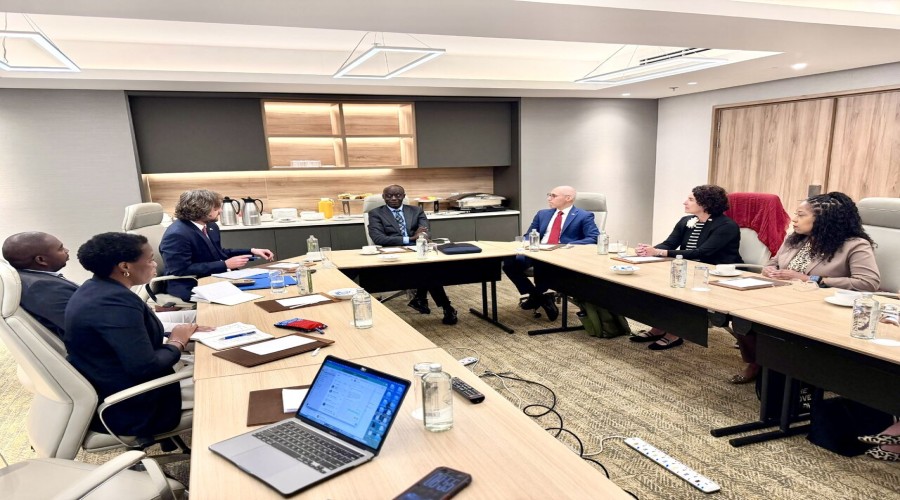
including discussions with the Monetary Authority of Singapore (MAS) and the
signing of a memorandum of understanding with the Global Finance &
Technology Network (GFTN).
The engagements also
included the Nigeria–Asia Financial Connectivity Dialogue, convened by the CBN
in partnership with J.P. Morgan, Nigerian Exchange Group and FMDQ Group.
Speaking at the dialogue,
hosted at J.P. Morgan’s Singapore offices and opened by the bank’s Managing
Director for West Africa, Dapo Olagunju, Cardoso outlined Nigeria’s ambition to
build deeper, more liquid and internationally connected financial markets.
“The real test of reform is
not whether you can attract capital once; it is whether you create the
confidence for capital to stay, return and grow,” Cardoso said.
Discussions with MAS covered
financial-sector development, regulation, market connectivity and innovation,
while the agreement with GFTN established a framework for collaboration on
financial innovation.
Cardoso reiterated that
Nigeria’s foreign-exchange reforms aim to remove distortions, restore
transparency and strengthen confidence in the rules governing market
participation.
He said stabilisation was
not an end in itself, but a foundation for attracting long-term institutional
capital, strengthening market infrastructure and building closer ties with
international markets.
The CBN governor also
highlighted fintech and artificial intelligence as growing forces in financial
services, risk management, financial inclusion and regulatory capability. He
pointed to opportunities in payments, settlement and links between Nigerian and
Asian banks.
Cardoso said Nigeria’s
engagement with Asia went beyond attracting investment flows, emphasising the
importance of durable relationships between institutions, markets, businesses
and people, including Nigerians living and working across the region.