By: Kanto Kai Okanta
Senegal is taking steps to
integrate green coding and responsible digital practices into the development
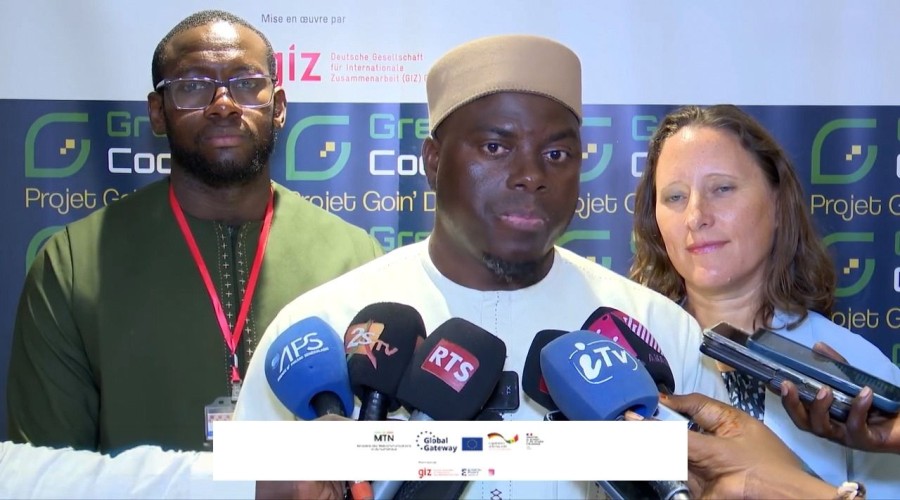
of its digital ecosystem following a national workshop held in Dakar to promote
more sustainable approaches to software development and technology deployment.
The two-day national
exchange and capacity-building workshop was organised by the Ministry of
Telecommunications and Digital Affairs with support from GIZ and Expertise
France under the Goin' Digital project, which is co-financed by the European
Union, Germany and France.
The workshop brought
together nearly 170 participants from public institutions, technology
companies, startups, academia, civil society organisations and technical and
financial partners to examine ways of reducing the environmental impact of
digital technologies.
Facilitated and coordinated
by AKASSAA, the programme focused on strengthening knowledge of green coding,
digital sobriety and responsible technology practices, while promoting
approaches to eco-design in software development.
Participants examined
national guidelines, practical tools and best practices for designing digital
solutions that consume fewer resources. They also shared experiences and
explored measures that could reduce the environmental footprint of digital
projects across Senegal.
The discussions highlighted
the importance of addressing sustainability considerations before the coding
stage, particularly through decisions around system architecture and
infrastructure.
Participants noted that
pooling existing components instead of repeatedly developing similar systems,
as well as avoiding unnecessary duplication of data across public platforms,
could generate significant energy savings at the national level.
Public procurement was also
identified as an important mechanism for promoting greener digital practices,
with calls for environmental considerations to be incorporated into procurement
processes and for existing infrastructure to be used more efficiently.
The workshop further
emphasised the importance of building skills and strengthening collaboration
among government, the private sector, academia and civil society to support
Senegal’s transition towards a more sustainable digital economy.
Responsible use of
artificial intelligence and public data also emerged as key considerations, as
Senegal seeks to expand its digital transformation while managing the
environmental and social implications of emerging technologies.