By: Kanto
Kai Okanta
South Africa’s Minister of
Science, Technology and Innovation, Professor Blade Nzimande, has called for a
more critical and socially grounded approach to technological change, arguing
that the future of digital society must be shaped by ethics, knowledge and
social justice rather than treated as an inevitable outcome of technological
progress.
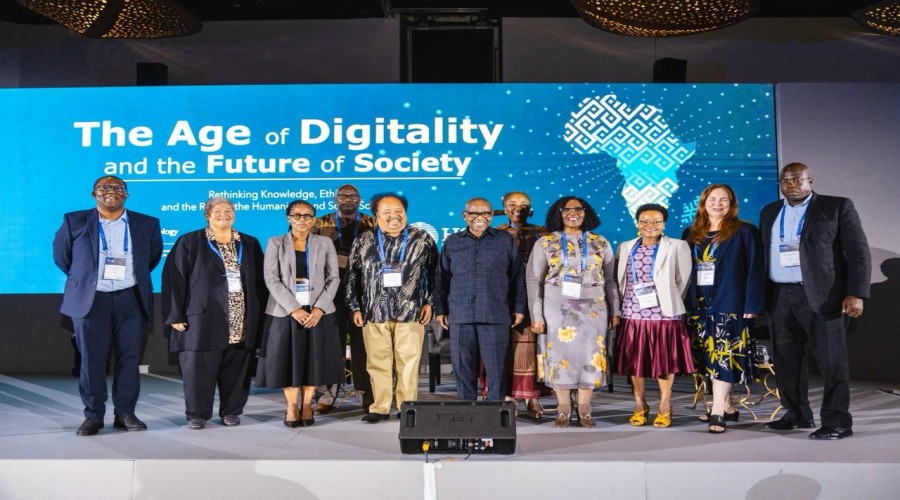
Nzimande made the remarks
while addressing a Human Sciences Research Council (HSRC) conference themed
“The Age of Digitality and the Future of Society: Rethinking Knowledge, Ethics,
and the Role of the Humanities and Social Sciences.”
He said society is at a
critical juncture in the “Age of Digitality” and stressed that the way
technological developments are framed will be as important as the technologies
themselves.
According to Nzimande,
mainstream discussions around artificial intelligence, robotics and
bioengineering often present technological advances as neutral or inevitable.
He criticised what he described as the “fetishization of technology”, saying
such narratives can overlook unequal patterns of capital accumulation,
challenges to democracy and growing pressure on ecological systems.
He argued that technological
change does not take place in isolation, but is shaped by political and
economic choices. Historical experience, he said, shows that major
technological advances can be accompanied by new forms of inequality and social
exclusion.
Nzimande therefore called
for the humanities and social sciences to play a more central role in
discussions about digital transformation. He said policymakers, researchers and
other stakeholders must consider how theories of change can address unresolved
challenges of social inequality and injustice while protecting and advancing
democracy in the digital age.
He also questioned how
digital futures can contribute to addressing global challenges including
climate change and planetary instability.
“Technology is not destiny.
It is a tool that must be guided by strong ethics, critical knowledge, and a
commitment to social justice,” Nzimande said.
He said the conversation on
the future of digital society should continue across academia, industry and
policy spaces as South Africa and the wider global community navigate the
opportunities and challenges associated with rapid technological change.