By: Nana
Appiah Acquaye
African countries need
increased financing to turn their climate and health priorities into funded
programmes that protect communities and strengthen primary health care, Nana
Dr. Antwi-Boasiako Amoah, Chair of the African Group of Negotiators on Climate
Change (AGN), has said.
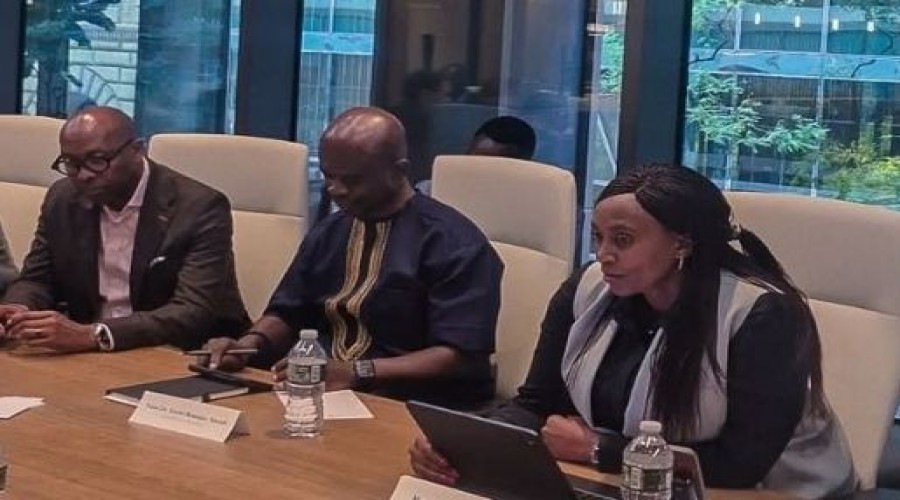
Speaking at an investment
roundtable convened by Amref Health Africa and Seed Global Health during UNGA81
in New York, Dr. Amoah called for a grant-based project-preparation facility to
help countries develop costed, finance-ready programmes from their Health
National Adaptation Plans (HNAPs).
“As a group, we will
continue to advocate for grant-based, new and additional public finance,
fulfilment of developed-country obligations, and a substantial increase in
adaptation finance. At COP31, we must move climate and health from recognition
to resourcing. Partners represented here should work with African countries
over the next 12 months to establish a climate and health project-preparation
and financing platform that converts HNAP priorities into costed, finance-ready
investments and matches them with appropriate funding. Drawing on its
established role as a continental climate and health ecosystem coordinator,
Amref Health Africa is well positioned to convene governments, regional
institutions, funders, technical partners and communities around this
platform,” said Dr. Amoah.
Dr. Amoah said African
countries had already identified their climate and health risks, making the
mobilisation of financing for implementation an urgent priority.
Amref Group CEO, Dr.
Githinji Gitahi, placed the discussion in the context of climate justice,
saying African countries, whose per-capita emissions remain low, need faster
emissions reductions from major emitters and grant-based finance to expand
renewable energy and support adaptation for communities already suffering
climate impacts.
“Most African countries have
very low per-capita emissions and should not be expected to carry the same
mitigation burden as the world’s largest emitters. It is for this reason that
as Africa, together with other developing countries in the UNFCCC negotiations,
we have continued to ask for urgent emission reductions from high-emitting
countries, grant-based climate finance to enable African economies expand
through renewable energy and, crucially, invest in adaptation to protect
communities from climate impacts they did not create,” he said.
Meanwhile, Seed Global
Health CEO, Dr. Vanessa Kerry, underscored the widening gap between the scale
of climate-related health threats and the resources available to health
systems, stressing that countries least responsible for the climate crisis face
a disproportionate burden.