By: Kanto
Kai Okanta
Morocco is moving its
artificial intelligence ambitions from policy development towards
implementation, with the government reviewing progress on the “Morocco
Artificial Intelligence 2030” roadmap and outlining programmes aimed at
strengthening digital sovereignty, AI infrastructure, national talent and
practical applications for citizens and government.
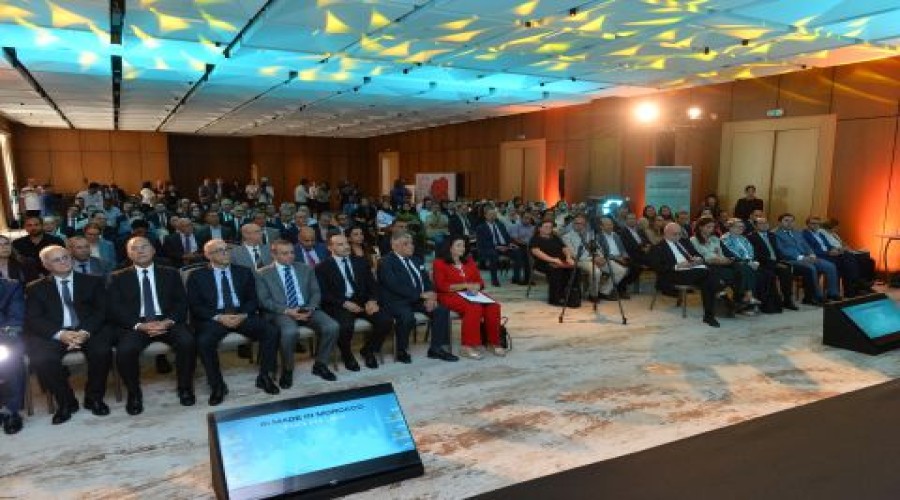
Minister Delegate to the
Prime Minister in charge of Digital Transition and Administrative Reform, Amal
Falah Seghroucheni, supervised the presentation of the roadmap’s current status
in Rabat on Tuesday, including progress on its structural programmes and
achievements supporting the activation of the national AI vision.
The roadmap forms part of
the Digital Morocco 2030 strategy and builds on the National Debate on
Artificial Intelligence held in Rabat on July 1 and 2, 2025, under the high
patronage of King Mohammed VI.
Morocco’s AI 2030 roadmap
targets the generation of 100 billion dirhams in added value to GDP, the
creation of 50,000 direct and indirect jobs, and the training and certification
of 200,000 talents and skilled professionals.
The strategy is organised
around three pillars and ten structural programmes covering sovereignty and
trust, innovation and competitiveness, impact, adoption and international
reach. Its priorities include regulation, digital infrastructure, common platforms,
national language models, human capital, financing, territorial innovation,
international cooperation, performance measurement and mechanisms for
responding to technological change.
During the meeting,
officials reviewed progress on programmes supporting digital sovereignty,
including infrastructure, data centres and the development of a sovereign
cloud.
The Data Factory initiative
was also examined. It is focused on collecting, structuring and preparing data
for use in artificial intelligence models, while the Software Factory is
intended to facilitate the sharing of reusable software components among government
departments and improve interoperability.
Human capital development
was another major focus, with programmes designed to expand Morocco’s national
pool of digital skills and support the objective of producing 100,000 new
digital talents annually by 2030.
The programmes extend across
research, higher education, children and young people, while territorial
initiatives including RamadanIA and RallyIA Future Lab are being used to
promote AI innovation beyond the country’s main technology centres.
The meeting also featured a
sovereign platform for artificial intelligence solutions, bringing together
practical AI applications for citizens and public administration within a
unified digital environment.